
Public Policy Courses in India for Working Professionals: Formats, Fees and How to Choose
Full-time MPPs, one-year blended diplomas and short certificates compared, with IIM Mumbai's programme in detail.

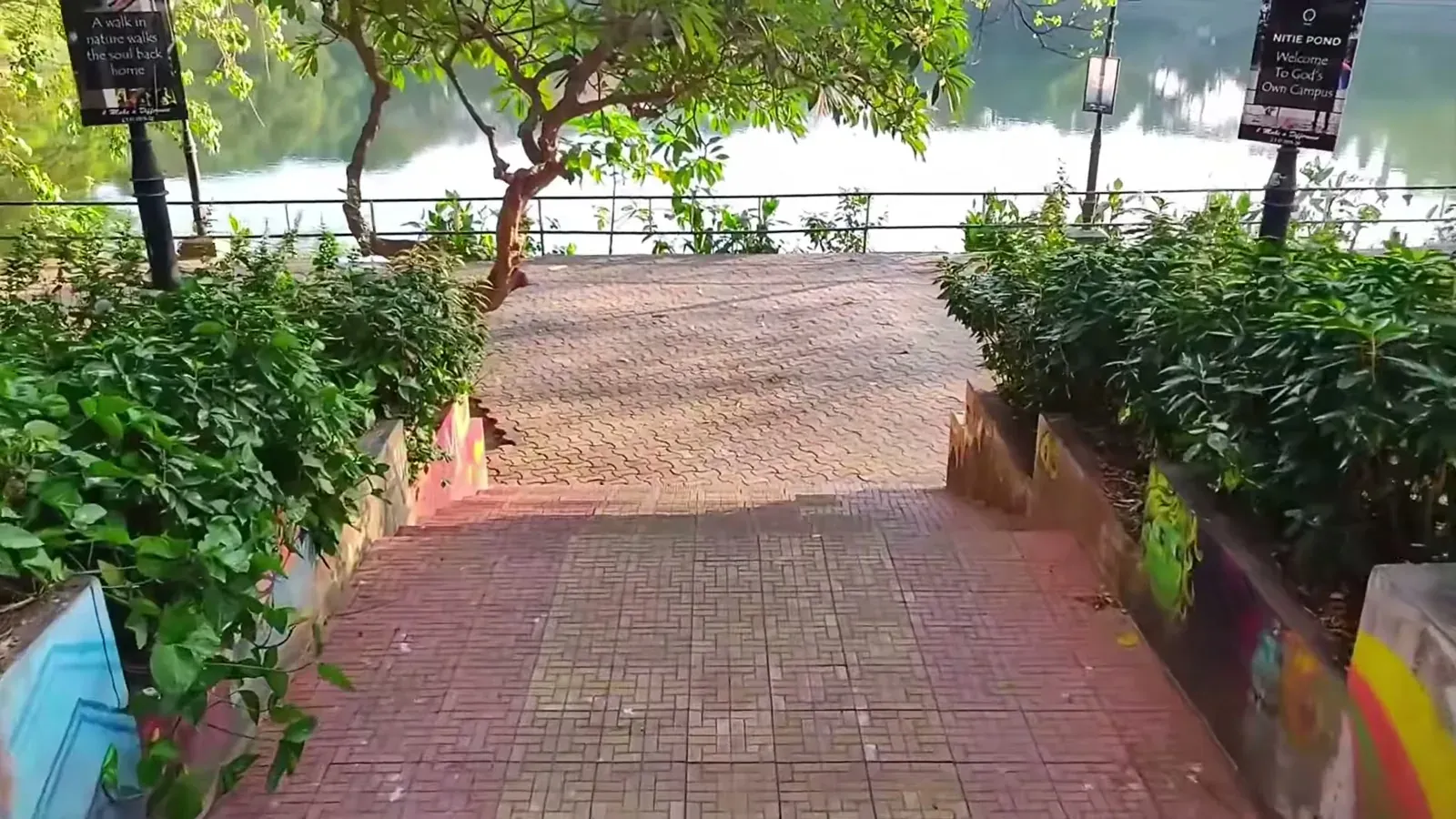
Public Policy Courses in India for Working Professionals: Formats, Fees and How to Choose
A public policy course in India for a working professional comes in three formats: a two-year full-time master's (TISS, IIT Delhi, IIT Bombay), a one-year blended executive diploma done while employed (IIM Mumbai, IIM Bangalore, ISB), or a short certificate (Takshashila, IIM Calcutta, IIM Ahmedabad). Verified fees run from Rs 42,000 plus GST to Rs 20,00,000.
This guide compares the options that publish their fees, explains who each format suits, and then looks closely at IIM Mumbai's one-year blended Post Graduate Program in Public Policy Management, whose January 2027 batch starts online classes on 16 January 2027.
Key facts: IIM Mumbai PG Program in Public Policy Management
| Item | Detail |
|---|---|
| Award | Post Graduate Diploma in Public Policy Management from IIM Mumbai, with IIM Mumbai alumni status (not an MBA) |
| Duration and credits | 1 year, 60 credits (coursework plus a policy research project) |
| Format | Blended: live online classes plus 4 on-campus immersions at IIM Mumbai, Powai |
| Weekly load | About 15 hours a week: Friday 6:00 to 9:00 pm, Saturday and Sunday 10:00 am to 5:00 pm |
| Eligibility | Bachelor's degree with at least 50 percent (45 percent for SC, ST and PwD) and a minimum of 5 years' work experience after graduation |
| Entrance | IMAT on 08 November 2026, or a valid CAT, GMAT or GRE score (last 5 years) |
| Fee | Rs 8,75,000 (Rs 1,00,000 seat booking plus Rs 7,75,000, or two instalments of Rs 3,87,500); application fee Rs 3,000 extra |
The three formats, and who each one is for
The first question is not "which institute" but "which format fits your life".
Full-time master's (MPP or MA). Two years on campus, usually with a thesis or field component: TISS's MA in Public Policy and Governance in Hyderabad (intake 30), IIT Delhi's MPP (40 seats), IIT Bombay's MPP (written exam and interview). These suit people under about 30 who can step out of work, or officers whose department will sponsor them.
One-year blended executive programmes. Live online classes in the evenings and on weekends, with campus residencies, for people with five or more years' experience who keep their jobs: IIM Mumbai's PPM, IIM Bangalore's 14-month PGPPM, ISB's 12-month AMPPP. This is the format for mid-career civil servants, corporate affairs and CSR heads, consultants and NGO leaders who want depth without a career break.
Short certificates. A few weeks to a year of light-touch study, mostly online: Takshashila's 12-week GCPP, IIM Calcutta's 12-month executive programme (3 hours a week), IIM Ahmedabad's 21-day executive certificate. A good first test of interest or a specific top-up, but they will not reposition a CV on their own.
Comparison of verified public policy programmes in India
Every fee below is stated exactly as it appeared on the institute's own page or brochure on 29 October 2026, including whether GST is extra.
| Programme | Format and duration | Fee as published | Minimum experience |
|---|---|---|---|
| IIM Mumbai, PG Program in Public Policy Management | 1 year blended: online Friday evening and weekends plus 4 campus immersions; 60 credits | Rs 8,75,000 (as listed on the programme page; application fee Rs 3,000 separate) | 5 years after graduation |
| IIM Bangalore, PGPPM (Master of Management Studies, Public Policy) | 14 months hybrid: online plus campus modules | Rs 20,00,000 tuition for Open candidates, PGPPM 2025 batch (2026 fee not yet published) | 5 years full-time |
| ISB, Advanced Management Programme in Public Policy (AMPPP) | 12 months hybrid: residencies in Mohali and Hyderabad plus live online | Rs 14,06,000 pre-GST (admission Rs 1,38,600, tuition Rs 12,62,400, deposit Rs 5,000), residency board included; "subject to change" | 5 years |
| IIM Calcutta, Executive Programme in Public Policy and Management (with Emeritus) | 12 months, live online 3 hours a week on Saturdays plus a 6-day campus immersion | Rs 3,40,000 plus GST (Batch 5) | 3 years |
| IIM Ahmedabad JSW School of Public Policy, Executive Certificate Programme in Public Policy Leadership and Strategy | 21 days over 5 months: 5 days at IIMA plus 8 weekends in New Delhi | Rs 3,99,000 plus 18 percent GST (early bird Rs 3,71,070) | None stated |
| TISS, MA Public Policy and Governance (Hyderabad) | 2 years full-time, 4 semesters, intake 30 | Rs 1,68,300 total course fee (Year 1 Rs 91,300, Year 2 Rs 77,000), excluding field work | None; per TISS admission criteria |
| Takshashila Institution, Graduate Certificate in Public Policy (GCPP) | 12 weeks online: Saturday webinars plus 2 virtual workshops | Rs 42,000 plus 18 percent GST | None |
Programmes whose official pages did not publish a fee when checked: the two-year MPPs at IIT Delhi (40 seats) and IIT Bombay, O.P. Jindal's JSGP Master's in Public Policy, Kautilya School of Public Policy's residential MPP, Azim Premji University's MA in Public Policy and Governance, and ISPP's one-year programme in Delhi. Aggregators quote fees for several of these, but they could not be confirmed on the institutes' own pages. Ashoka University has no standalone master's in public policy; its Isaac Centre offers an undergraduate major.
Two cautions. IIM Calcutta has no "PGPPM"; do not confuse its executive programme with IIM Bangalore's degree programme. And the IIM Bangalore figure is for self-funded "Open" candidates in the 2025 batch; sponsored officers fall under a separate DoPT notification.
IIM Mumbai's PG Program in Public Policy Management in detail
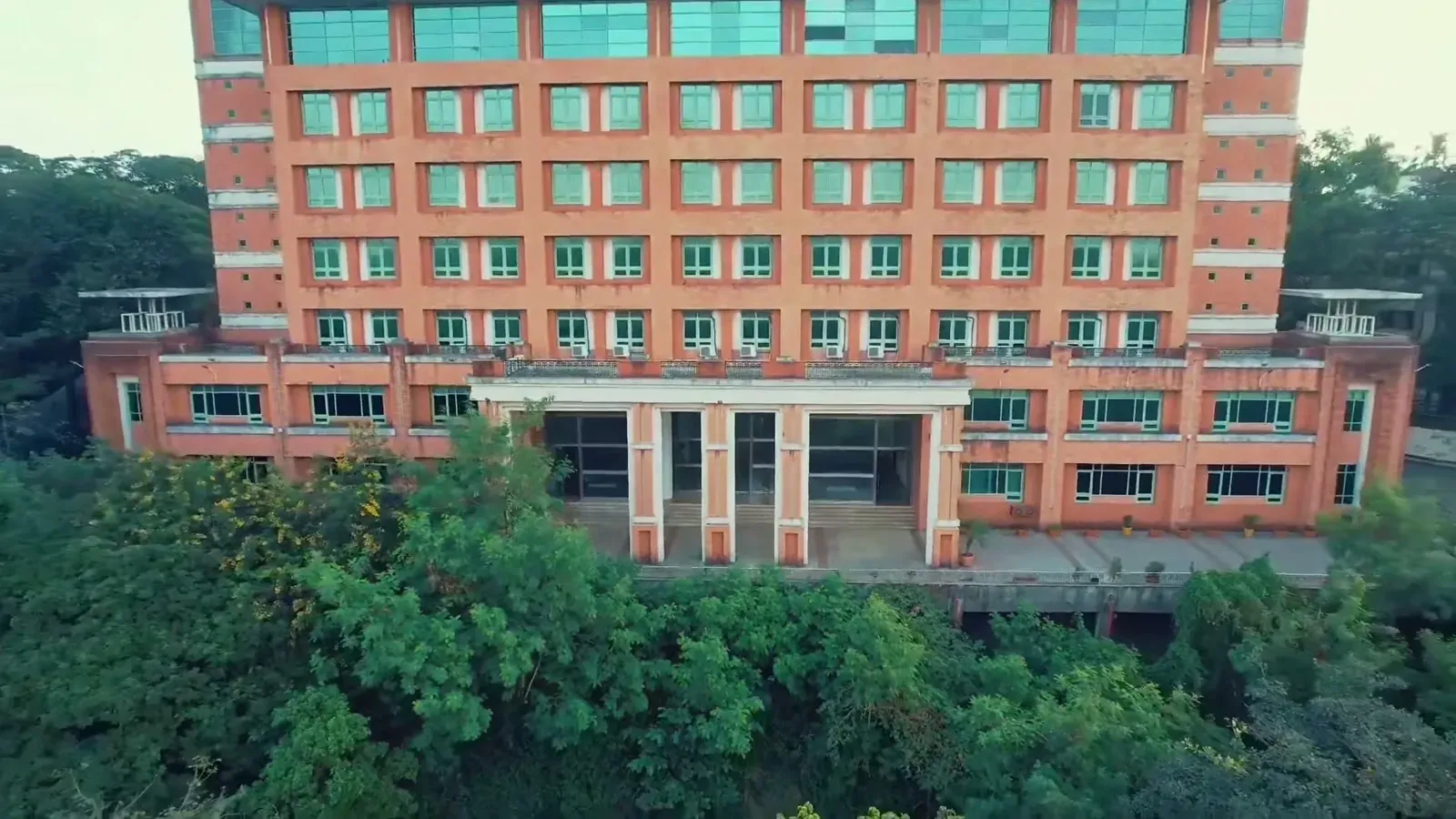
IIM Mumbai, formerly NITIE and ranked 6th in NIRF 2025 Management, runs the PG Program in Public Policy Management as a 60-credit, one-year blended programme awarding a Post Graduate Diploma in Public Policy Management with IIM Mumbai alumni status. It is not an MBA.
Format and time commitment
Classes are live online on Friday evenings (6:00 to 9:00 pm) and on Saturday and Sunday (10:00 am to 5:00 pm), about 15 hours a week, plus four on-campus immersions in Powai, one per module, each worth 1.5 credits. Immersion dates are yet to be announced, so if you live outside Mumbai budget for four trips and the leave that goes with them.
Curriculum: four modules, 60 credits
- Module 1: Fundamentals of Public Policy Management (3 credits); Data to Decisions: Basic Policy Analytics (3); Public Administration and Governance (3); Economics for Policy Making (3); Accounting for Decision Making (1.5); Logistics and Public Procurement (1.5); Campus Immersion (1.5).
- Module 2: Behavioural Economics and Game Theory for Public Policy (3); Public Finance and Budgeting (3); Advanced Data Analytics for Policy Decisions (3); Policy Simulation and Scenario Planning (1.5); Communicating Public Policy (1.5); Policy Implementation and Project Management (3); Campus Immersion (1.5).
- Module 3: Technology and Innovation for Policy and Governance (3); Global Perspectives and Policy Challenges (3); Ethics and Accountability in Policy Making (1.5); Strategic Thinking and Leadership (3); Crises Management and Emergency Response (1.5); Sustainability Policy and Strategies (3); Campus Immersion (1.5).
- Module 4: Policy Research Project or Capstone (6 credits, plus 3 credits through expert-led sessions, reports and presentations); Campus Immersion (1.5).
The procurement, logistics and accounting courses reflect the institute's strength in operations and industrial management, a practical advantage if your work involves running schemes, tenders or supply chains in government or a PSU.
Who teaches it
The programme is chaired by Prof. Poonam Singh with Prof. Veepan Kumar as co-chair. Listed IIM Mumbai faculty include Prof. Utpal Chattopadhyay, Prof. Upasna A. Agarwal, Prof. Padmanav Acharya, Prof. Binilkumar Amarayil Sreeraman, Prof. Rofin T. M., Prof. Nikhil K. Mehta, Prof. Maheswar Singha Mahapatra, Prof. Puja Sarkar, Prof. V. B. Khanapuri, Prof. K. S. Ranjani and Prof. Vivek Khanzode.
Visiting faculty: Shri Sitaram Kunte IAS (Retd.), former Chief Secretary of Maharashtra and Distinguished Visiting Professor; Shri Durga Shankar Mishra IAS (Retd.), former Chief Secretary of Uttar Pradesh, former Secretary MoHUA and former Chairman of DMRC; Shri Arun Goyal IAS (Retd.), former Secretary in the Cabinet Secretariat and former Member CERC; Shri Amrit Lal Meena IAS (Retd.), former Chief Secretary of Bihar and former Coal Secretary; Shri Deepak Shetty IRS (Retd.), former DG Shipping; Prof. Madhu Ranjan Kumar IRSS (Retd.); and Dr. Tirthankar Patnaik, Chief Economist at the NSE.
Eligibility, fee and dates
You need a bachelor's degree in any discipline from a UGC-recognised university with at least 50 percent marks (45 percent for SC, ST and PwD) and five years' work experience after graduation. Entry is through the home-proctored IMAT on 08 November 2026 or a valid CAT, GMAT or GRE score from the last five years; see the IMAT guide.
The fee is Rs 8,75,000: Rs 1,00,000 to secure the seat, then Rs 7,75,000 in one payment or two instalments of Rs 3,87,500. The Rs 3,000 application fee is separate and non-refundable. Interviews run 25 to 27 November 2026, the tentative result is on 01 December, seats are booked 2 to 11 December, induction is on 15 January 2027 and online classes begin on 16 January 2027.
The trade-offs, stated plainly
The programme makes no placement claims; it is built for people who already have a role and want to move within or across sectors. Fifteen hours a week for a year on top of a job is a real load, and the Friday evening slot will test anyone who travels for work. The five-year bar rules out younger applicants, who are better served by a full-time MPP. And four immersions mean travel and leave for anyone outside Mumbai.
How to choose: a worked example
Consider a 36-year-old deputy general manager in regulatory affairs at a Mumbai infrastructure company, with eleven years' experience, two children and no appetite for a career break. A full-time MPP is out. Takshashila's GCPP at Rs 42,000 plus GST would give her the vocabulary in 12 weeks, but not the analytics, public finance or procurement depth that heading government relations will demand.
Among the one-year blended options, ISB's AMPPP at Rs 14,06,000 pre-GST and IIM Bangalore's PGPPM at Rs 20,00,000 tuition (2025 batch) both involve residencies outside Mumbai. The IIM Mumbai PPM at Rs 8,75,000 keeps the immersions in her own city, puts procurement, public finance and implementation in the core, and ends with IIM alumni status. If she wanted a credential mainly for a move into a think tank, a research-heavy master's would fit better. This is an illustration, not a real participant.
The career in public policy guide maps the roles these programmes lead to; the IIM Mumbai executive programmes overview sets the PPM beside the institute's four other January 2027 programmes.
Frequently asked questions
Which is the best public policy course in India for working professionals?
There is no single best option. If you can take two years off, a full-time MPP at IIT Delhi, IIT Bombay or TISS gives the most depth. If you must keep working and have five or more years' experience, the one-year blended programmes at IIM Mumbai (Rs 8,75,000), ISB (Rs 14,06,000 pre-GST) and IIM Bangalore (Rs 20,00,000 tuition, 2025 batch) are the main choices. For a first exposure, a certificate costs far less.
What is the fee for a public policy management course in India?
Verified fees on 29 October 2026 ranged from Rs 42,000 plus 18 percent GST for Takshashila's 12-week certificate to Rs 20,00,000 tuition for IIM Bangalore's PGPPM (Open candidates, 2025 batch). In between: TISS's MA at Rs 1,68,300, IIM Calcutta at Rs 3,40,000 plus GST, IIM Ahmedabad at Rs 3,99,000 plus 18 percent GST, IIM Mumbai's PPM at Rs 8,75,000 and ISB's AMPPP at Rs 14,06,000 pre-GST.
Is the IIM Mumbai public policy programme an MBA?
No. It is a one-year, 60-credit blended programme that awards a Post Graduate Diploma in Public Policy Management from IIM Mumbai, with IIM Mumbai alumni status. If you want an MBA from the same institute while working, the two-year weekend MBA-PGPM is the relevant programme, but it is a general management degree, not a policy qualification.
Who is eligible for IIM Mumbai's public policy course?
A bachelor's degree in any discipline from a UGC-recognised university with at least 50 percent marks (45 percent for SC, ST and PwD), plus five years' work experience after graduation. You must qualify in the IMAT on 08 November 2026 or hold a valid CAT, GMAT or GRE score from the last five years. Shortlisted candidates are interviewed on 25 to 27 November 2026.
Does a master of public policy course in India lead to a government job?
Not directly. Group A services such as the IAS are recruited through UPSC examinations, and lateral entry at joint secretary and director level has been small and intermittent; the 2024 round of 45 posts was cancelled within days of being advertised. A policy qualification is more useful for think tanks, consulting government practices, CSR, corporate public affairs and multilaterals, and for serving officers moving into policy roles.
Next step
If you have five or more years of experience and want to stay employed while you study, read the PG Program in Public Policy Management page, pay the Rs 3,000 application fee and register for the IMAT on 08 November 2026 for the January 2027 batch. The full portfolio is on the IIM Mumbai Executive Education hub.