
Wealth Manager vs Financial Advisor vs Private Banker: What’s the Difference and Which Pays More in 2026?

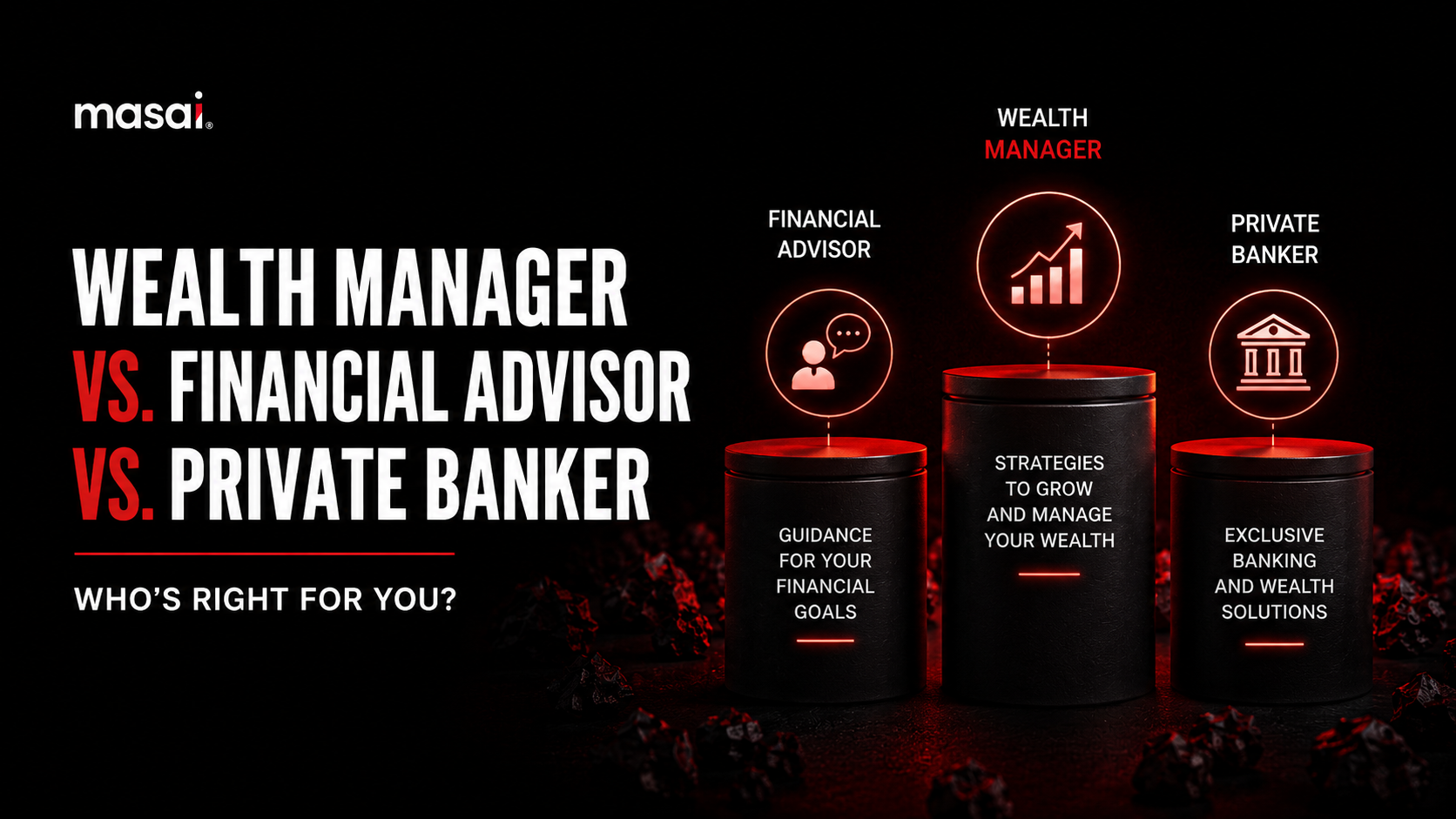
Clearing the confusion: These roles are not the same
If you’ve ever searched for a career in finance, you’ve likely stumbled upon the terms wealth manager, financial advisor, and private banker used interchangeably.
While they share the financial services space, these roles are very distinct and mixing them up can lead to costly mistakes, whether you're planning your career or seeking expert advice.
This blog breaks down what each role really means, who they serve, the skills needed, and most importantly, what you can expect to earn in India in 2026. Let’s clear the fog and help you make an informed choice.
Who do they serve? The key difference
The most fundamental distinction lies in the client base each professional serves:
- Financial Advisors assist the general public salaried employees, small business owners, and individuals starting out with investments like mutual funds, insurance, or retirement plans.
- Wealth Managers cater to High Net Worth Individuals (HNIs) those with investable assets typically between ₹50 lakh and ₹1 crore. They offer a holistic, personalized approach to managing their clients’ entire financial lives.
- Private Bankers work exclusively with Ultra High Net Worth Individuals (UHNIs) generally ₹5 crore and above. They operate within banks offering bespoke, confidential services including credit, estate planning, offshore investments, and high-touch client care.
Simply put:
- Financial advisors plan your money.
- Wealth managers grow and protect your money.
- Private bankers move your money discreetly and at scale.
Role-by-Role breakdown
1. Financial Advisor
What they do:They help clients with savings strategies, retirement planning, insurance, and tax-efficient investing. Many are SEBI Registered Investment Advisors (RIAs) or work under mutual fund distributors.
Who they serve:Mid-income individuals, families starting their wealth journey, and NRIs exploring investments in India.
Skills needed:
- NISM certifications (mutual funds, investment advisory)
- Basic investment knowledge (equity, debt, hybrids)
- Strong communication and goal-setting abilities
2026 Trends:The rise of robo advisors is pushing financial advisors to offer more value beyond product selling. Those who provide genuine, goal-oriented advice will thrive despite fee pressures.
2. Wealth Manager
What they do:They provide comprehensive wealth management from investments and tax planning to estate and succession planning, philanthropy advice, and sometimes family office services. These relationships often span generations.
Who they serve:HNIs such as entrepreneurs, senior executives, and professionals with substantial accumulated wealth.
Skills needed:
- Expertise in alternative investments (AIFs, PMS, structured products)
- In-depth estate and tax planning knowledge
- Behavioral finance and elite relationship management
- Professional credentials like MBA, CFA, or CFP
2026 Trends:India’s HNI population grew over 12% in 2024-25. With high-net-worth individuals expanding their portfolios, many are diversifying beyond traditional equities and debt into physical assets like bulk silver bullion to safeguard purchasing power against inflation. Wealth managers skilled in global asset allocation and ESG (environmental, social, governance) investing command premium pay. Behavioral intelligence and trust differentiate the great from the good.
3. Private Banker
What they do:Private bankers deliver a blend of banking and investment services with a concierge approach. They coordinate credit products, investment portfolios, and legal or family office counsel for ultra-wealthy clients.
Who they serve:UHNIs, business promoters, celebrities, and multi-generational family offices.
Skills needed:
- Cross-asset investment expertise and credit structuring
- International regulatory understanding, especially for NRIs/offshore accounts
- Exceptional emotional intelligence and executive presence
- Multilingual skills are highly valued
2026 Trends:The private banking sector is consolidating, with global banks expanding UHNI desks in India. Professionals bridging Indian family business culture with global banking are in very high demand.
The Salary Question: Who actually earns more in 2026?
Here's the breakdown based on current India market compensation data (CTC, including variable):
Financial Advisor
- Entry level (0–3 years): ₹3.5 – ₹7 LPA
- Mid-level (3–7 years, independent RIA or AMC): ₹8 – ₹18 LPA
- Senior/Independent (with strong AUM): ₹20 LPA and above, depending on AUM-linked income
Note: The top financial advisors in India who manage AUMs above ₹100 crore as RIAs can earn significantly more through advisory fees, but this takes years to build.
Wealth Manager
- Entry level (Associate/Relationship Manager at a wealth firm): ₹8 – ₹14 LPA
- Mid-level (handling HNI portfolios of ₹25–₹100 crore AUM): ₹18 – ₹40 LPA
- Senior Wealth Manager (managing ₹500 crore+ AUM): ₹45 – ₹80 LPA
- Head of Wealth/National roles: ₹1 crore+ CTC
Variable pay here is significant bonuses tied to AUM growth and net new money can double base compensation in good years.
Private Banker
- Entry to mid-level (VP at a private bank, 5–8 years experience): ₹25 – ₹55 LPA
- Director/Senior Private Banker (managing ₹500 crore – ₹2,000 crore book): ₹60 – ₹1.2 crore CTC
- MD-level or Chief Private Banker: ₹1.5 – ₹3 crore CTC
Private banking compensation is the most variable and the most opaque. A significant portion comes from relationship-linked bonuses and revenue sharing.
Some senior private bankers in India managing global family office mandates earn well above stated benchmarks.
Bottom line: Private banking pays the most but the path is longer, the entry is harder, and the attrition in the first three years is brutal. Wealth management offers the best risk-adjusted career trajectory for most finance professionals. Financial advisory is the most accessible, but margins are tightening for those who don't specialize.
Career Progression: How to move between these roles
Your journey might look like this:
- MBA in Finance → Wealth Management Associate → Senior RM → Wealth Manager
- CA/CFA → Financial Planning → Wealth Advisory → HNI Desk
- Retail/Corporate Banking → Relationship Manager → Private Banking
Certifications making a difference in 2026:
- CFA: Highly respected across finance roles, especially investment-focused positions
- CFP: Best for wealth management and advisory careers
- CAIA: Growing importance with alternative investments rising in India
- SEBI RIA license: Mandatory for independent financial advisors
- Executive MBA (IIM Mumbai, ISB, etc.): Fast-tracks mid-career professionals into senior wealth roles
What the 2026 Indian market is signaling
- HNI growth creates a talent shortage. India’s wealth management industry is expected to manage over ₹50 lakh crore by 2026, but qualified senior managers are scarce. This gap opens exciting career opportunities.
- Tech fluency is critical. Understanding AI-driven risk models, portfolio analytics, and digital assets boosts your value. It’s not about coding, but comfort with tools.
- Trust is everything. In an age of information parity, deep, multi-generational client trust is the ultimate competitive advantage.
- Women in wealth are rising stars. Female relationship managers in India have demonstrated 23% higher client retention, reshaping senior hiring trends.
Which role should you choose?
Ask yourself:
- Do you want to work with a broad client base and build foundational skills? Start with financial advisory. Get certified, build your client base, and master goal-based planning.
- Are you relationship-driven, interested in complex financial needs, and want to work with wealthy clients? Aim for wealth management. An MBA or CFA will accelerate your career.
- Do you have 6-10 years of finance experience, excellent personal skills, and want to operate at the top tier? Pursue private banking. Be prepared for a challenging yet rewarding journey.
Ready to elevate your career? consider IIM Mumbai’s MBA programme
If you’re a working professional aiming to transition into wealth management or financial services leadership, the IIM Mumbai MBA Programme is tailored for you. It covers essential topics from financial planning to regulatory frameworks and leadership all while you continue working.
India’s financial services market is growing faster than the talent pool. The gap between where you are and where you want to be is smaller than you think.