
Top 5 high-paying cybersecurity jobs in 2026:

Here's the uncomfortable part nobody tells you before you enroll in a become an ethical hacker in a 3 months course: a computer science degree has never been a requirement for the highest-paying jobs in cybersecurity. What actually gets you hired and paid is proof that you can break into a system, defend one, or explain the risk to a board room in language they understand. That's it. No four-year degree gatekeeps that.
This might sound controversial in an industry obsessed with credentials, but recruiters, CISOs, and hiring managers will tell you the same thing off the record: cybersecurity is one of the few tech fields where a portfolio of real breach simulations, hands-on labs, and applied projects can outweigh a traditional degree. And with a global talent shortage that shows no sign of closing, employers are more willing than ever to hire on skill.
So if you're searching for the best cybersecurity careers to build a future-proof career, this guide breaks down the five roles that consistently top salary charts in 2026, what each job actually involves, what it pays in India, and what skills you genuinely need to get there.
Why high-paying cybersecurity jobs keep growing in 2026
Cybersecurity stopped being a back-office IT function years ago. Every ransomware attack on a hospital, every leaked customer database, every AI-powered phishing campaign pushes the same message into boardrooms: security is now a business risk, not a technical inconvenience.
Three forces are driving demand and salaries higher this year:
- The skills gap is real. India alone is short an estimated 3 lakh-plus trained cybersecurity professionals, and that gap is widening faster than colleges can produce graduates.
- Cloud and AI have rewritten the job description. Multi-cloud environments, generative AI tools, and agentic workflows have created entirely new attack surfaces that older security teams were never trained to defend.
- Compliance is no longer optional. Regulations like India's DPDP Act, RBI and SEBI cybersecurity guidelines, and mandatory 72-hour breach reporting to CERT-In mean companies now legally have to invest in security talent, not just choose to.
For students, IT professionals, and career switchers, this means cybersecurity jobs in demand right now aren't limited to one entry point. Whether you like offense (breaking things on purpose), defense (stopping people from breaking things), or strategy (deciding what's worth protecting), there's a high-paying lane for you.
The top 5 high-paying cybersecurity jobs at a glance
(Figures are approximate and vary by city, employer type, and certification stack. Bengaluru, Hyderabad, and Pune consistently pay above the national average.)
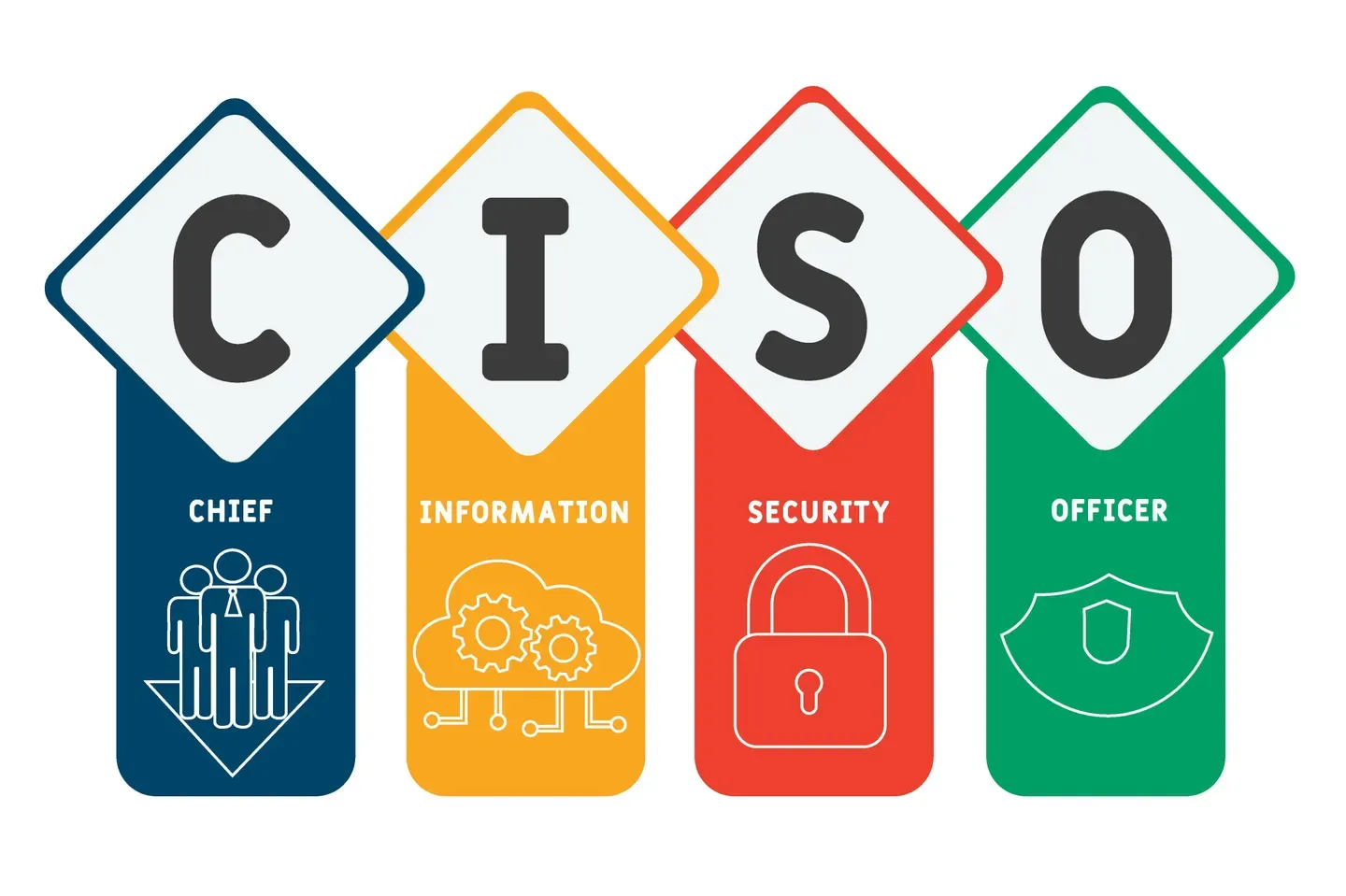
1. Chief Information Security Officer (CISO)
If there's one job title that defines the top of the cybersecurity career path, it's CISO. This is the executive who decides where the security budget goes, how the company responds to a breach, and how much risk the business is willing to tolerate. A CISO doesn't spend their day patching servers they spend it in meetings with the CEO, legal counsel, and the board, translating technical risk into business language.
What makes this one of the best cybersecurity careers isn't just the paycheck it's the influence. When a company adopts a new AI tool or expands into a new market, the CISO is the person who signs off on whether it's safe to do so.
How you get here: Most CISOs spend 10-15+ years moving through security engineering, architecture, or management roles before reaching this seat. Certifications like CISSP and CISM are heavily weighted by recruiters, but what actually separates a good CISO from a great one is the ability to model financial risk (cyber value-at-risk, or CyVaR) and communicate it clearly to non-technical stakeholders.
2. Cybersecurity architect
A Cybersecurity Architect is the person who makes sure a breach never has the chance to happen in the first place. Instead of firefighting after an attack, architects design the systems, networks, and cloud environments to be secure from day one think Zero Trust frameworks, identity management, and encryption strategy baked into every new product before it ships.
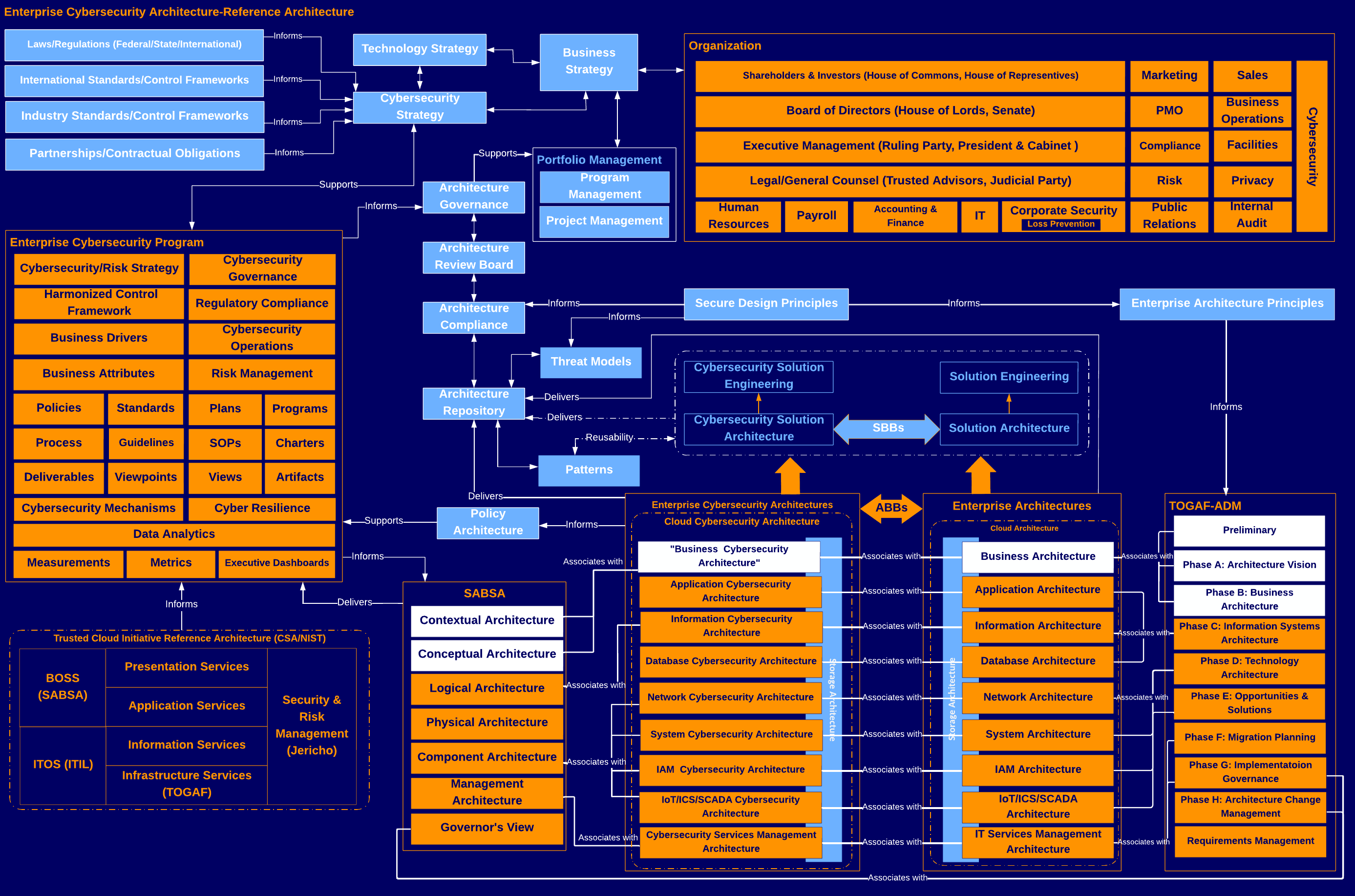
Picture a fintech company launching a new UPI-linked app. The architect decides how authentication works, how data is encrypted at rest and in transit, and how the system resists both external attackers and insider threats. Get it wrong, and the company ends up in tomorrow's breach headlines.
How you get here: Architects almost always come up through security engineering or network administration first. What employers actually test for is depth across networks, OS internals, Active Directory, and cloud platforms not a single narrow skill.
3. Cloud security engineer
As Indian enterprises keep shifting workloads to AWS, Azure, and GCP, cloud security has become one of the fastest-growing and highest-paying specializations in the industry. A Cloud Security Engineer is responsible for identity and access management, encrypting sensitive data, catching misconfigurations before they become breaches, and enforcing compliance across multi-cloud environments.
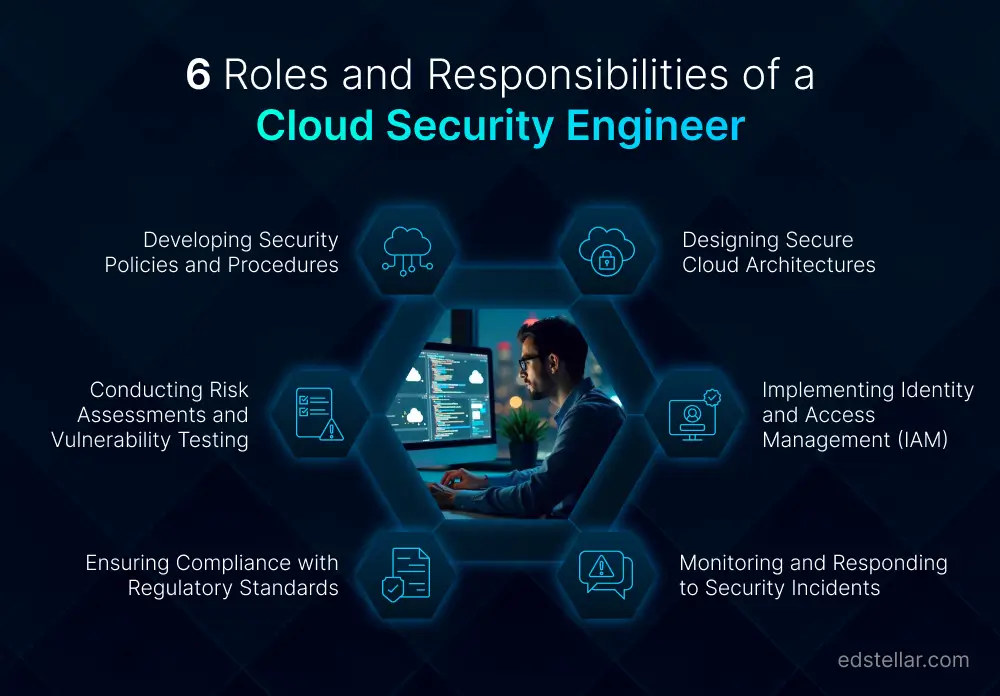
Unlike traditional on-prem security, cloud roles demand fluency in shared responsibility models knowing exactly where the cloud provider's job ends and yours begins. A single misconfigured storage bucket can expose millions of records, which is exactly why this skill set commands a premium.
How you get here: Hands-on experience with tools like Azure Entra ID, Conditional Access, Defender for Cloud, Terraform, and Checkov matters far more here than theory. Certifications like AWS Security Specialty, Azure AZ-500, and CCSP are strong signals, but practical, project-based proof (a real IaC security scan, a real misconfiguration audit) is what gets shortlisted.
4. Penetration tester and ethical hacker
While everyone else on this list is building defenses, penetration testers are paid to break them legally. Ethical hackers simulate real attacks on a company's applications, networks, and infrastructure to find the weak points before actual criminals do.

A typical engagement might involve testing a web application for SQL injection, broken access control, or insecure authentication, then handing over a full report on what's broken and how to fix it. It's hands on, high-adrenaline work that rewards curiosity and persistence over anything else.
How you get here: This is one of the rare high-paying cybersecurity jobs where a strong GitHub-style portfolio of CTF wins, HackTheBox rankings, and documented pentest reports can matter more than a degree. Tools like Burp Suite, Metasploit, Nmap, and BloodHound (for Active Directory attack paths) are the daily toolkit, and certifications like OSCP or CEH validate what you can already do.
5. SOC analyst to threat hunter and incident response lead
Every high-paying cybersecurity career has to start somewhere, and for most people, that somewhere is the Security Operations Center (SOC). SOC analysts monitor networks around the clock, investigate suspicious activity, and are the first line of defense when something looks wrong.
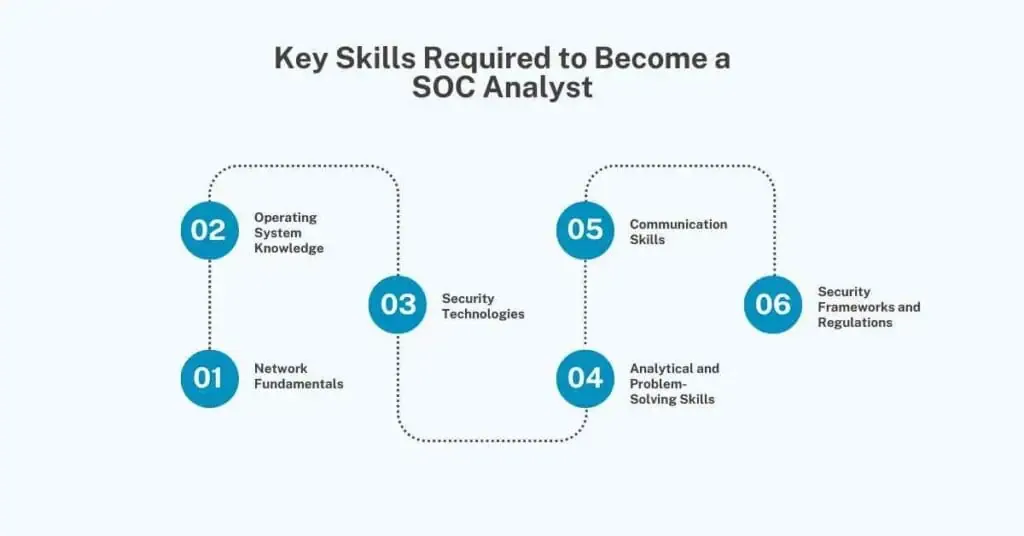
Here's what makes this entry point genuinely exciting in 2026: the SOC itself is being rebuilt around AI. Analysts are now expected to work alongside tools like Microsoft Sentinel and Security Copilot, writing detection queries (KQL), running AI-assisted threat hunts, and using automated playbooks (SOAR) to contain attacks in minutes instead of hours. The professionals who master this AI co-pilot workflow move fastest into threat hunting, incident response, and eventually architecture roles because they're solving the same problems in a fraction of the time.
Where the demand for these skills is actually coming from
Here's the part that most "top cybersecurity jobs" listicles skip entirely: the skills behind these five roles aren't hypothetical they're exactly what Indian employers are hiring for right now, and they're shifting fast because of AI.

I recently went through the syllabus of the Cybersecurity & Ethical Hacking Programme by IITM Pravartak, and it's a genuinely useful lens into how demanding and how current the skill requirements for these jobs have become. It's built as a 10-month, IIT Madras-backed programme, and instead of teaching cybersecurity as a checklist of tools, it's structured around the actual career ladder above:
- The Foundation phase starts with real Indian breach cases (Star Health, JLR, Angel One, Bigbasket) and teaches the "bug to ransomware" chain, networking, OS internals, and Active Directory the technical floor every SOC analyst and architect needs.
- The Core phase is where it gets serious: OSINT and recon, the OWASP Top 10, Burp Suite and Metasploit for offensive testing, BloodHound for Active Directory attacks, and then a full swing into defense Microsoft Sentinel, KQL detection queries, threat hunting, SOAR playbooks, cloud security across Azure/AWS/GCP, and DevSecOps with Kubernetes and Terraform.
- It also folds in things most cybersecurity courses still ignore AI security (adversarial ML, prompt injection, LLM red-teaming), OT/ICS security for critical infrastructure, and ISO 27001, DPDP Act compliance, and boardroom risk communication which is exactly the ground a future CISO or architect needs to cover.
- Every phase ends in a portfolio artifact, not just a quiz a cyber risk briefing, a full penetration-test report, a Sentinel-based incident response pack, a cloud security project, and a capstone built on a real Indian breach scenario, reviewed at an on-campus immersion at IIT Madras Research Park.
The reason this is worth pointing out organically, and not as a sales pitch, is simple: it mirrors exactly what recruiters for these five roles are screening for in 2026 proof of hands-on skill across offense, defense, cloud, AI, and compliance, not just a stack of exam certificates. If you're mapping out how to become a cybersecurity professional in India, that combination real tools, real breach cases, a real capstone is the actual signal employers are paying a premium for.
Choosing the right cybersecurity career path for you
There's no single ladder in cybersecurity, which is part of what makes it such a future-proof career. Some professionals climb toward leadership (CISO, security engineering manager). Others go deep into a technical specialty cloud security, offensive testing, or digital forensics and stay there because that's where the work excites them.
A common, realistic path looks like this: start as a SOC analyst or junior security engineer, specialize into cloud security, architecture, or offensive testing within 2-4 years, then move toward management or a CISO track if leadership interests you. At every stage, the professionals who keep learning especially around AI-driven security tooling are the ones commanding the highest salaries.
If you're new to the field, start with our guide on What Is Cybersecurity? Types, Importance & Career Scope in 2026 to understand the fundamentals, major cybersecurity domains, and why the field is becoming increasingly important.
Frequently asked questions
Which cybersecurity job pays the highest salary in India? The Chief Information Security Officer (CISO) role typically pays the highest, with senior professionals at large enterprises and GCCs earning between ₹50 LPA and over ₹1.2 crore annually.
Do I need a computer science degree to get into cybersecurity? No. Many high-paying cybersecurity professionals come from electronics, IT, or even non-technical backgrounds. What matters most is demonstrable, hands on skill through certifications, CTFs, labs, and real projects not the degree on paper.
Which cybersecurity role is best for beginners? A SOC Analyst role is the most common and accessible entry point. It offers direct exposure to real attacks, SIEM tools, and incident response, and typically leads into threat hunting, cloud security, or architecture roles within a few years.
Is cybersecurity a future-proof career with AI on the rise? Yes arguably more so now. AI has expanded the attack surface (deepfakes, prompt injection, adversarial ML) while also becoming a core defensive tool (AI-assisted SOC operations, automated threat detection). Professionals who learn to use AI as a security co-pilot, rather than avoid it, are seeing the fastest career growth.
What certifications matter most for high-paying cybersecurity jobs? It depends on the role: CISSP and CISM for leadership tracks, OSCP and CEH for offensive security, CCSP and AWS/Azure security specialties for cloud roles, and CompTIA Security+ or CySA+ as a strong starting point for SOC roles.
Key takeaways
The best cybersecurity careers in 2026 aren't reserved for people with a specific degree they're built by people who can prove they can defend, attack, or govern a real system. Whether you're eyeing a SOC analyst role as your entry point or the CISO seat as your long-term goal, the path runs through hands-on skill: real tools, real breach scenarios, and constant adaptation to how AI is reshaping both attack and defense. Pick the lane that excites you, start building proof of skill today, and the salary conversation tends to take care of itself.